
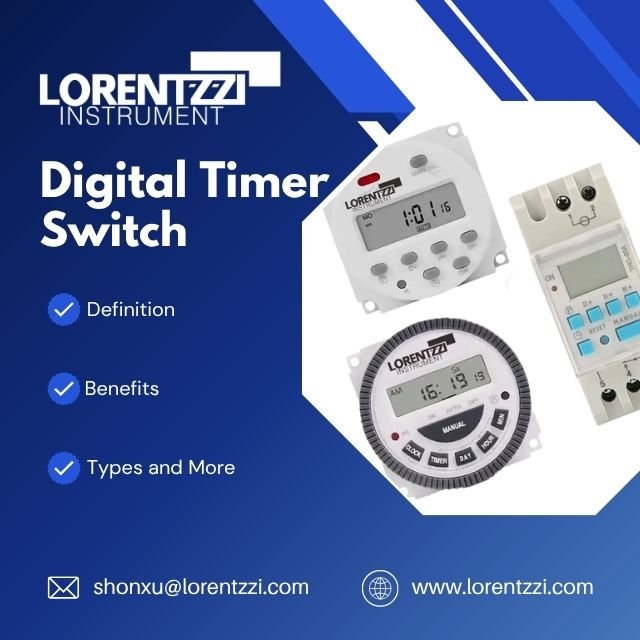
In today’s fast‑paced world, both homeowners and facility managers are constantly searching for practical ways to save time and cut energy consumption.
A digital timer switch is one of those cost‑effective solutions. These programmable electronic devices transform how you manage electrical loads, delivering greater convenience and tangible energy‑saving performance.
In this comprehensive guide, we will walk you through the core benefits of digital timer switches, how they operate, different available types, key selection criteria and real‑world integration tips for residential, commercial and industrial projects.
What is a Digital Timer Switch?
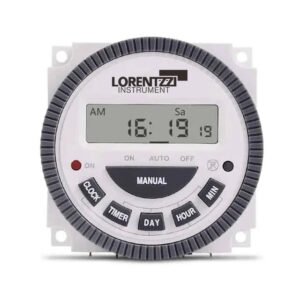
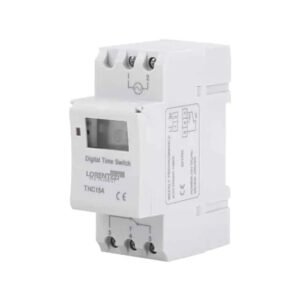
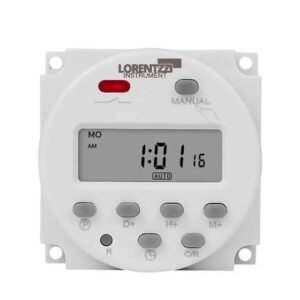
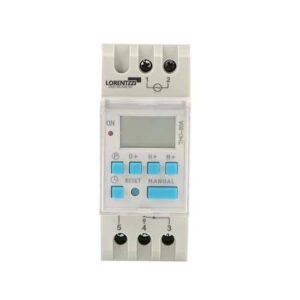
A digital timer switch is a programmable electronic device that automatically turns connected electrical loads ON and OFF according to pre‑defined time schedules.
Common controlled loads include lighting, heating units, air‑conditioners, water pumps and other electrical equipment.
Compared with traditional mechanical timer switches, digital versions offer far higher timing precision and flexible multi‑program settings, making them widely adopted for modern homes, retail shops and factory automation systems.
Benefits of digital timer switches
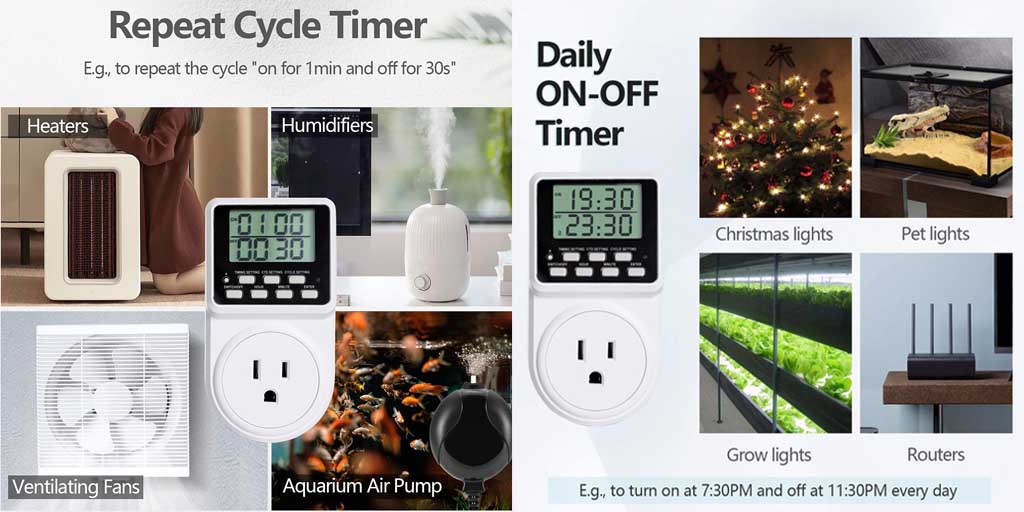
Digital timer switches bring multiple advantages for household, commercial and industrial usage:
- Improved Energy Efficiency:Automate appliance operation so devices only run when required. This reduces unnecessary power draw, lowers electricity bills and supports lower carbon footprints.
- Enhanced Daily Convenience: Automate repetitive ON/OFF tasks. You no longer need to manually turn lights, heaters or ventilation equipment on or off every day.
- Home & Site Security: When your property is unoccupied, you can program lights to switch on and off at randomized intervals. This simulates human activity and helps deter potential intruders.
- High Schedule Customization: Multiple independent time programs are supported. You can set separate schedules for weekdays, weekends or special holidays to match your actual usage patterns.
- Broad Compatibility for Industrial & Commercial Use: DIN‑rail mount digital timer switches can be installed inside electrical cabinets, suitable for warehouse lighting, farm irrigation, and factory auxiliary equipment control.
Types of digital timer switches
There are four major categories of digital timer switches available on the market, each built for distinct installation scenarios:
Plug‑in timers

Portable units that plug directly into wall sockets. Ideal for lamps, holiday decorative lights and small household appliances. No wiring modification required.
In‑wall timers

Installed to replace standard wall light switches. Perfect for hard‑wired loads such as ceiling fans, indoor / outdoor lighting and residential HVAC systems.
DIN‑rail mount timers
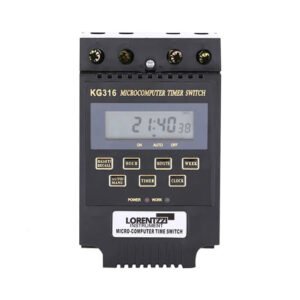
Designed to clip onto standard DIN rails inside distribution cabinets (example: THC‑80A). Mostly used in commercial buildings, agriculture and industrial control panels for pumps, lighting and heating equipment. This is the type most frequently purchased by B2B buyers.
Wi‑Fi‑enabled smart timers
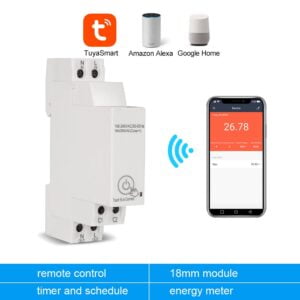
Smart digital timer switches controlled via mobile phones, tablets or voice assistants including Amazon Alexa, Google Assistant and Apple Siri. Advanced features include remote access, geofencing and interoperability with other smart‑home hardware.
How to choose the right digital timer switch
Keep these critical factors in mind when specifying a digital timer switch for your project:
- Load Compatibility & Current Rating: Confirm the timer’s rated current matches your target load (resistive lamp, fan motor, pump or heater). For high‑power loads, you may need to pair the timer with an external contactor.
- Installation Form Factor: Select plug‑in, in‑wall or DIN‑rail mounting based on your installation environment. DIN‑rail models are preferred for cabinet installation in commercial and industrial projects.
- Core Functional Features: Check for useful options: multiple ON/OFF programs, daylight‑saving time adjustment, battery backup for power‑failure memory retention, and manual override button. Battery backup preserves your programmed schedules during power outages.
- Smart‑Home Integration (If Required): Pick Wi‑Fi‑capable smart timer switches if you need remote mobile control and smart‑ecosystem connectivity.
- Certifications & Operating Environment: For industrial and export projects, verify safety certifications such as CE to match local market requirements.
Installing and setting up a digital timer switch
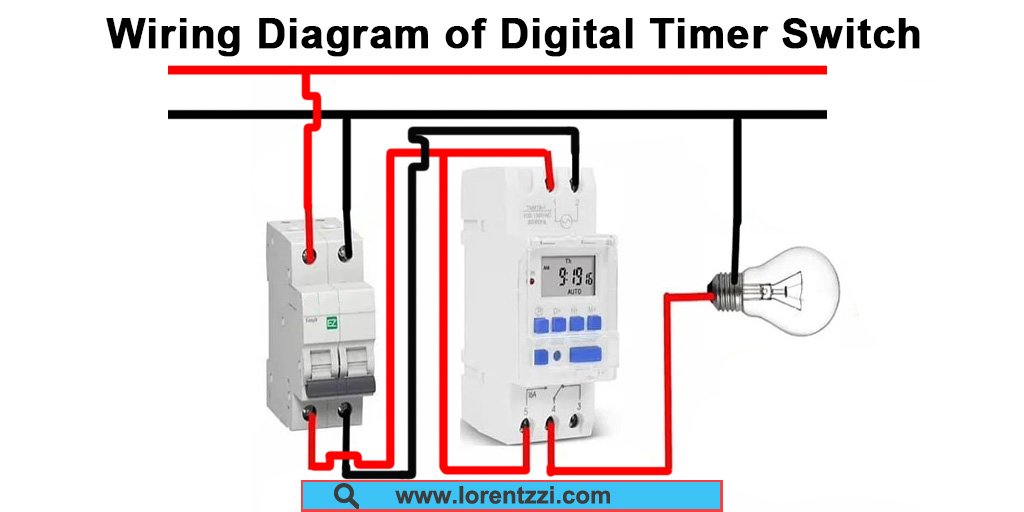
Source from: https://www.youtube.com/watch?v=SITbEhBINlE
Installation steps differ significantly based on timer type and model.
- For plug‑in timers: Simply insert the timer into a wall outlet and plug your appliance into the timer output socket. No wiring work needed.
- For in‑wall hard‑wired or DIN‑rail timers: If you are not a qualified electrician, follow the official manufacturer manual or hire a certified electrician for wiring work. Improper wiring may damage the unit or create safety hazards.
Once physical installation is complete, configure your required time schedules on the timer interface. If you are working with a Wi‑Fi smart timer, download the corresponding mobile application and complete Wi‑Fi pairing. Always test manual override function after programming.
Conclusion
Digital timer switches deliver reliable automation for household, commercial and industrial electrical equipment. By understanding different form‑factors, core features and selection rules, you can select the ideal digital timer switch to cut energy costs and simplify daily operation.
Whether you need simple plug‑in household timers or robust DIN‑rail programmable timer switches for automation panels, properly‑specified digital timers are valuable components for modern‑day time‑based control.
If you have technical questions or need bulk quotations for digital timer switches for your project, feel free to get in touch with us, the Lorentzzi Electric team.