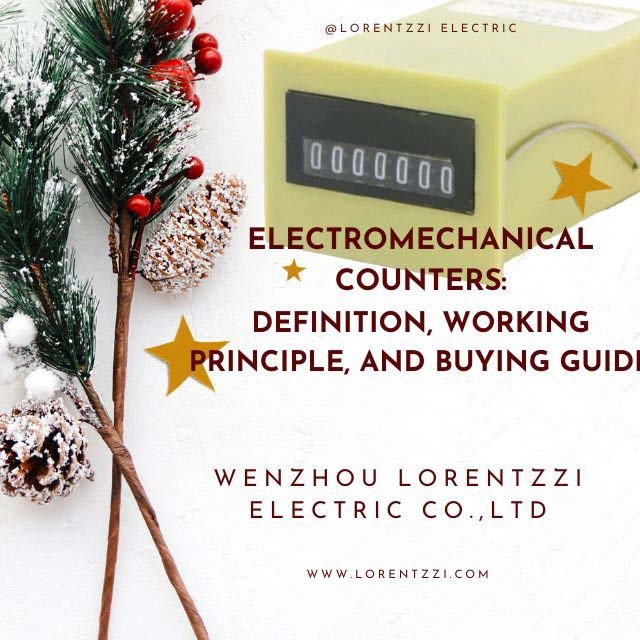
Electro mechanical counters have many advantages over purely mechanical counters, such as being able to operate without external physical force, automatically counting using electrical energy, and having a wider range of applications.
Therefore, in order to better understand electromechanical counters, this article will introduce the followings in details:
- What exactly is an electro mechanical counter?
- How does it work?
- How to choose the right electro mechanical counter for your equipment?
What is an electro mechanical counter?
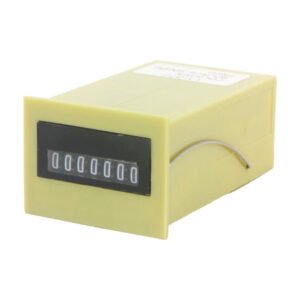
An electro-mechanical counter is an instrument that converts electrical energy into physical motion, which in turn drives a rotating wheel to move and display the counted quantity.
Electromechanical counters have advantages such as simple structure, ease of use, and no loss of counting data after power failure.
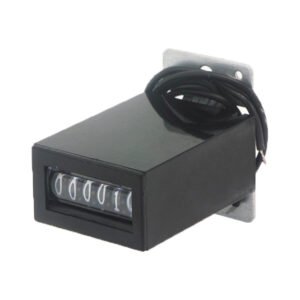
The following four products are our best-selling electromechanical counters worldwide. If you are looking for these products or other types of electromechanical counters, you can send an inquiry to shonxu@lorentzzi.com for further support.


How does an electro mechanical counter work?
I once disassembled an electromechanical counter and found that its structure was very simple.
An electromechanical counter consists of four parts: an electromagnetic coil, an armature, a ratchet gear system, and a mechanical wheel (display wheel).
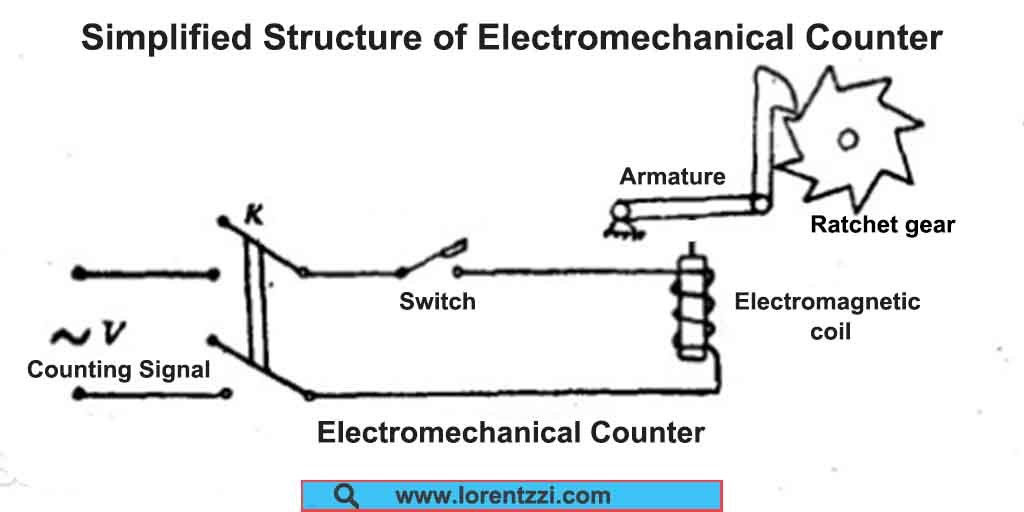
Now let me explain the function of each part one by one:
- Electromagnetic coil: It receives electrical pulse signals, generates magnetic force, and is the source of driving force.
- Armature: It converts electrical energy into mechanical action under the influence of magnetic force.
- Ratchet gear system: Each movement of the drive lever is converted into a precise single gear rotation.
- Mechanical wheel: Connected to a gear, it displays the accumulated count value.
Therefore, its working process is as follows: once a voltage is applied to the counter, the electromagnetic coil generates a magnetic field, attracting the armature to move, and then the mechanical indicator wheel is driven to rotate by the ratchet gear system.
You can also watch the following video to understand how an electromechanical counter works:
How to select a suitable electro mechanical counter?
Now let’s have a look at how to select a suitable electro mechanical counter for your application.
Simply speaking, there are 5 steps to follow:
Step 1: Confirm the counting range
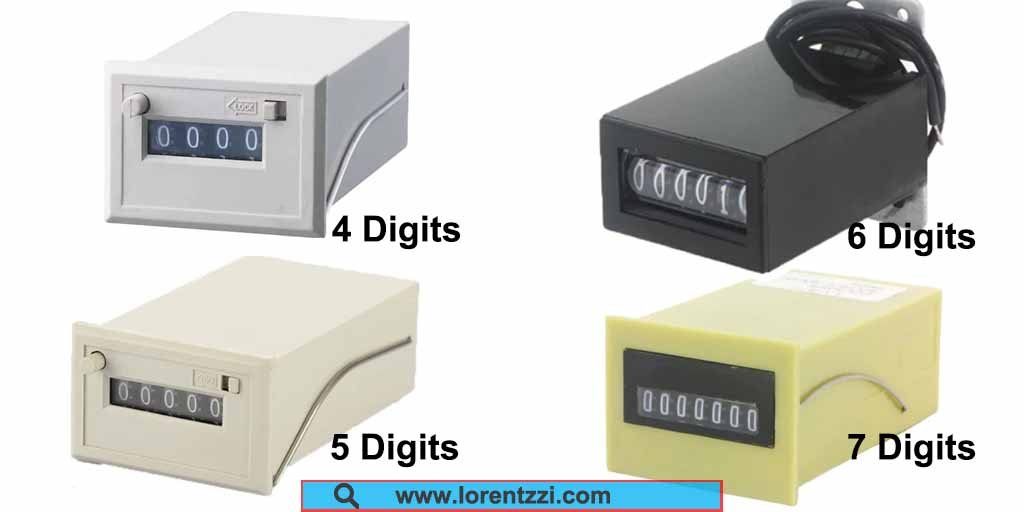
The counting range of the electromechanical counter can be 4 digits 9,999, 5 digits 99,999, 6 digits 999,999, or 7 digits 9,999,999.
Because their counting ranges differ, their product sizes may also differ. Therefore, you should first clearly know what your maximum counting range is. If the range is too small, prolonged use may lead to problems exceeding the range.
Therefore, if there are no restrictions on product size, the larger the counting range, the better.
Step 2: Decide the counting signal voltage
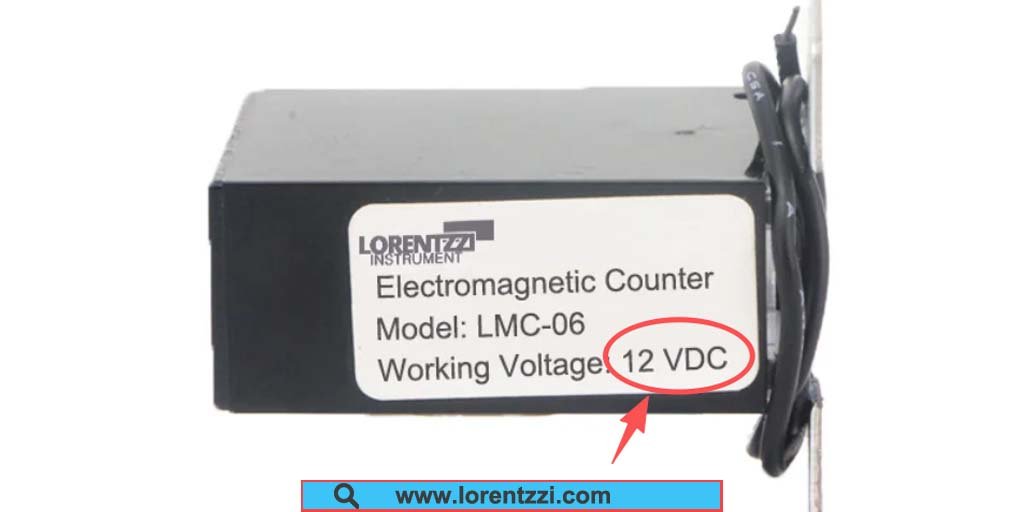
In Lorentzzi Electric’s electromagnetic counters or other suppliers’ counter series, the counting signal voltage can be 5VDC, 12VDC, 24VDC, 110VAC, 220VAC and so on.
Therefore, please confirm which voltage pulse or voltage value you are counting. An incorrect counting voltage signal can cause permanent damage to the counter because different coils have different voltages, and an incorrect voltage can cause the coil to overheat and burn out.
Step 3: Check whether you will need reset function or not
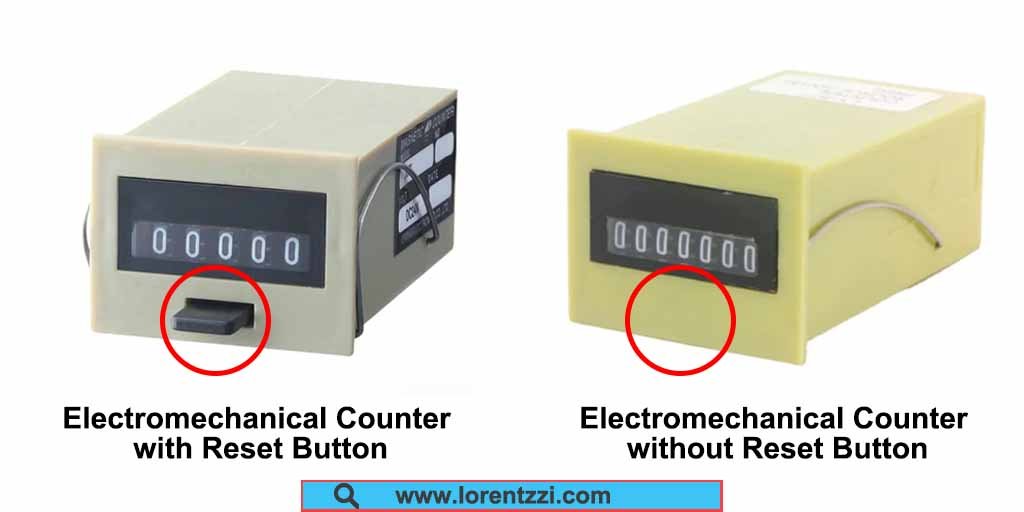
Some counters have a reset function; pressing a button resets the counter to zero, making it convenient for company employees to reset after equipment maintenance. However, this function also has some drawbacks, such as the possibility of false counts.
Other counters do not have a reset function, but these counters are more suitable for long-term use.
Therefore, please confirm whether you need an electromechanical counter with a reset function or one without.
Step 4: Choose the installation method
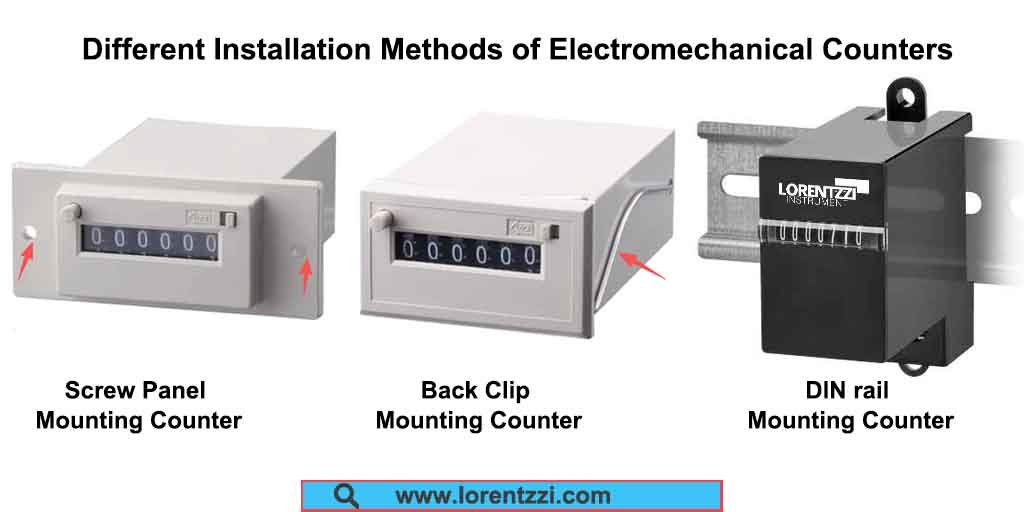
Electromechanical counters can be installed in three ways: screw panel mounting, back clip mounting, and DIN rail mounting.
The first two methods are more commonly used, while the third method is less common and requires integration with other components mounted on a DIN rail.
Step 5: Brand and cost
The final step is choosing a branded electromechanical counter supplier. A branded counter means better after-sales service, longer product lifespan, and a longer warranty period.
Our previous article compiled a list of the top ten electromechanical counter suppliers; you can click to view that article: Top 10 Global Electromagnetic Counter Manufacturers and Suppliers (2025).
Frequently asked questions
1. What is the difference between an electromechanical counter and a purely electronic counter?
An electromechanical counter uses mechanical rollers to display the counting data, while an electronic counter uses an LCD or LED display screen. Additionally, the counting speed of an electromechanical counter is slower than that of an electronic counter.
2. What is the typical counting speed of an electromechanical counter?
DC electromechanical counters count 20 times per second, AC counters count 10 times per second.
3. Does the electromechanical counter require maintenance?
Under normal operating conditions, it requires virtually no maintenance. However, in extreme dust or vibration environments, regular cleaning and inspection are necessary.
4. Is it suitable for high-speed counting scenarios?
Not recommended. For high-speed counting (e.g., >50 Hz), electronic counters are highly recommended.
Conclusion
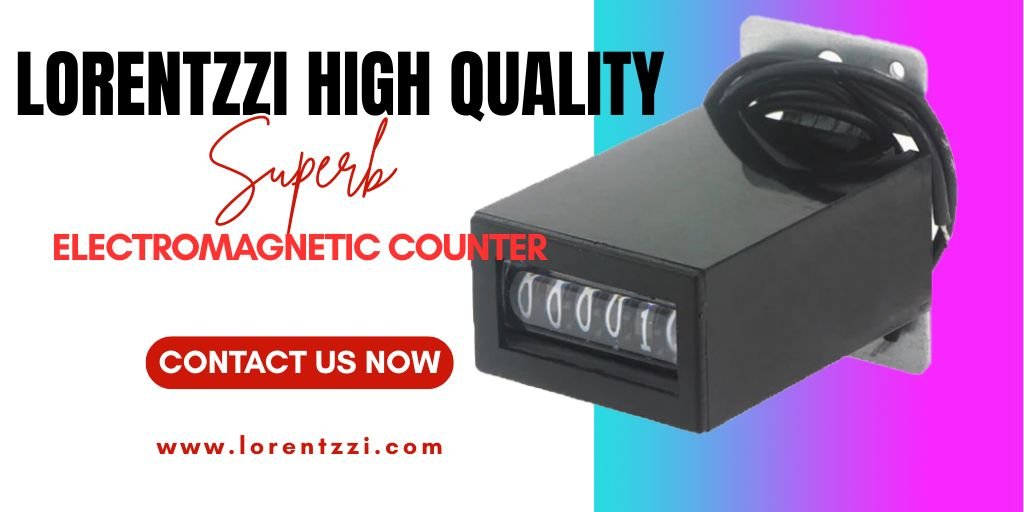
In summary, the electromechanical counter uses voltage pulses to power a coil, which then provides energy to the indicator wheel for recording counting data.
If you are looking for electromechanical counters from China, or need our technical support, please send your inquiry or questions to shonxu@lorentzzi.com.
Lorentzzi Electric team will reply within 24 hours.