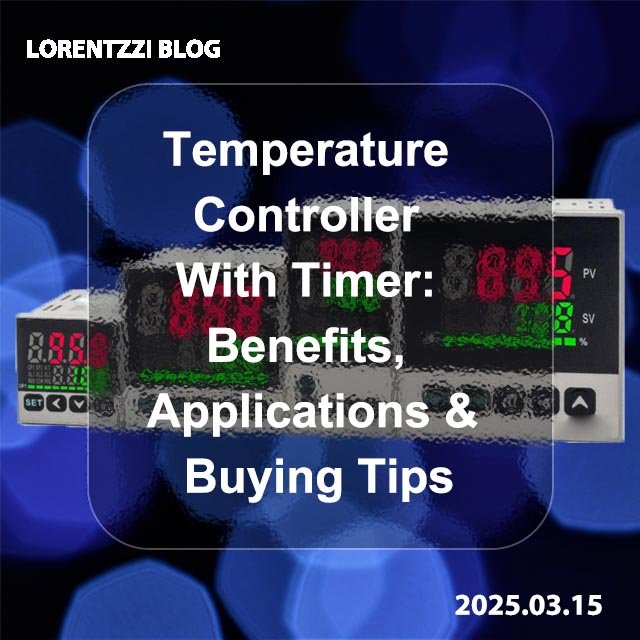
Want to build a temperature control system that helps you reach the desired temperature and maintain that temperature for a specified period of time? A temperature with a timing function is a good choice for you.
So, in this article, you will learn: what it is, benefits, applications, buying tips, etc.
What is a temperature controller with timer?
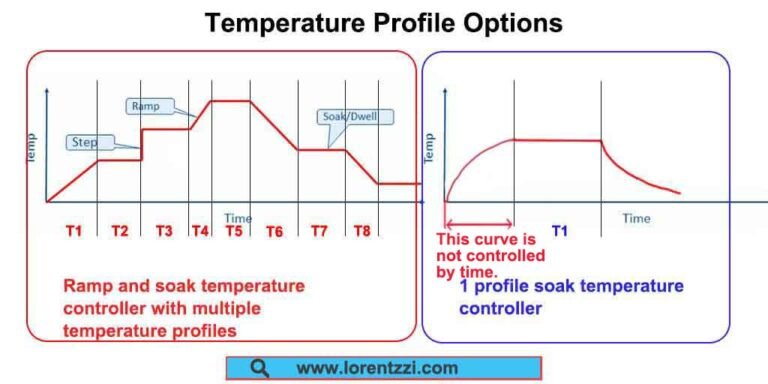
A temperature controller with timer can be either a ramp and soak temperature controller (also called a programmable temperature controller, the temperature is controlled by time), or a timer that starts when the temperature reaches the set value and turns the temperature controller off after the timing is completed(the temperature and time are separate).
Lorentzzi® can provide both types of temperature controllers with timing functions with very good quality and competitive prices.
Top benefits of using a temperature controller with timer

There are several benefits to using a temperature controller with a timer, such as saving energy, protecting materials from prolonged temperature damage, etc. We will list all the benefits in detail below.
- Energy saving: A temperature controller with a timer can effectively reduce energy consumption. For example, if your coffee pot is always heated at maximum power, the coffee may overheat and may dry-burn over time, resulting in a lot of energy waste. However, a thermostat with a timing function can solve this problem. It can automatically turn off the power at the right time and maintain the right temperature, thus saving energy and preventing coffee from drying out.
- Reduced electricity bills: Similar to the previous example, your coffee maker’s timed shutoff reduces energy waste and saves money on your electricity bill.
- Achieve precise time control of temperature: For example, a temperature controller with a timer is used to control the heating tube for timed disinfection equipment or sterile instrument systems.
Temperature controller with timer applications
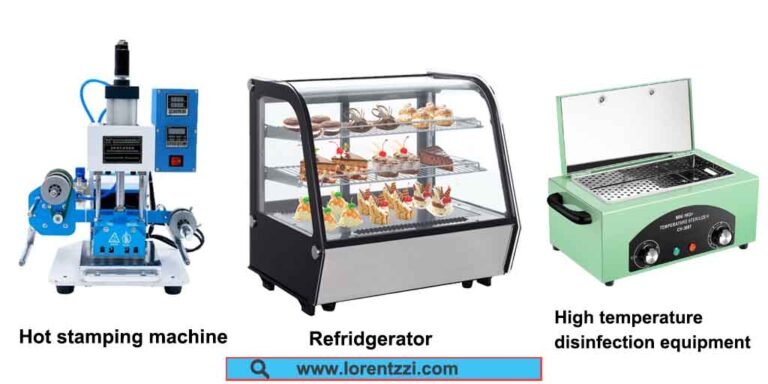
The temperature controller with timing functions can be found in below equipments:
- Hot stamping machine: In industrial manufacturing, especially in the processing of composite materials and plastic products, hot stamping machines are widely used. The temperature controller with a timer can ensure that the heating element of the hot stamping machine reaches the preset temperature within a specific time and maintains this temperature to ensure the quality of the stamping process. For example, when processing automotive interior parts, the temperature controller can heat the mold to the required temperature within a specified time and maintain this temperature to ensure the accuracy and quality of the stamping.
- Refridgerator: In commercial and residential settings, refrigerators use temperature controllers with timers to maintain the internal temperature within a set range. For example, in supermarkets, refrigerators need to maintain a constant temperature to ensure the freshness and safety of food. The temperature controller can automatically adjust the operation of the refrigeration system based on the preset temperature and time, and can also start or stop the defrosting function at specific times to ensure the normal operation of the refrigerator.
- Disinfection equipment:In medical and food processing fields, disinfection equipment such as disinfection cabinets and sterilizers require precise temperature control. The temperature controller with a timer can ensure that the disinfection equipment reaches the required temperature within a specified time and maintains this temperature for a certain period to achieve effective disinfection. For example, in hospitals, disinfection cabinets need to be heated to a specific temperature and maintained for a certain time to ensure that medical instruments are thoroughly disinfected.
- Water heater: In residential and commercial water supply systems, water heaters use temperature controllers with timers to heat water to the desired temperature and maintain it. For example, in hotels, water heaters need to supply hot water at a constant temperature 24 hours a day. The temperature controller can automatically adjust the heating and heat preservation processes of the water heater according to the time and temperature requirements to ensure the comfort and energy efficiency of hot water supply.
- Laboratory equipment: In certain experimental scenarios, precise regulation of both temperature and reaction duration is essential for ensuring chemical reactions proceed to completion, for example, esterification reaction experiments. A temperature controller equipped with time control capabilities proves to be an ideal solution for such requirements. This specialized instrument enables experimenters to preset specific time intervals, eliminating the need for constant surveillance of reaction progress. Once the predetermined time elapses, the device promptly disconnects the power supply and issues an audible alarm, thereby alerting the experimenter. Such automation not only enhances operational convenience but also effectively minimizes the risk of human error, ensuring consistent and reliable experimental outcomes.
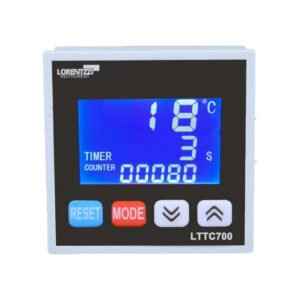
How to choose the right temperature controller with timer
Choosing the right temperature controller with a timer is the same as choosing a common PID temperature controller. You can refer to our this article: PID Temperature Controller: Everything You Need to Know to learn how to choose, but there are still some differences, they are:
- Temperature Profile Options: Do you want to program a temperature profile from start to finish (ramp and soak temperature controller with multiple temperature profiles) or just soak for a while after temperature reaches the setpoint, then end (1 profile soak temperature controller)? If you will need several temperature curves to control such as firing ceramics, plastic production, powder coated oven etc., choosing the multiple temperature profiles temperature controller with timer. If you only need to let the temperature reach a set value and maintain a period of time, such as tableware disinfection equipment, sterilization equipment, etc, try to use a single profile soak temperature controller with a timer.
- Timer Programming Range: Some controllers have a maximum setting time of only a few minutes, so when deciding to use this controller, ask the supplier if their timer programming range is suitable for your application.
- Timed Completion Alarm Contact Capacity: Generally speaking, once the setting time is over, the alarm will output a signal, so that user can know the timing is finished, check whether the contact capacity is suitable for your alarm or other alarming devices, if the contact capacity is small such as 1 amp, you should to use an intermediate relay to enlarge its capacity.
- Timed completion actions: Once the instrument’s set time expires, two possible actions may occur. Some devices will immediately shut off power, while others may continue running the instrument but cease output control. Please verify if your temperature controller with a timer supports both actions or only one. The Lorentzzi® temperature controller with a timer can perform both actions, allowing you to select either via software adjustment.
FAQs
1. How does a temperature controller with a timer work?
A temperature controller with a timer works by monitoring the current temperature, comparing it to a set value, and adjusting the output until the desired temperature is reached. Once achieved, the timer starts and the controller maintains this temperature until the timer ends, at which point it can trigger specific actions.
2. How to program the timer on a temperature controller?
In short, first set the temperature you want, second the duration of that temperature, and third the action that will be performed when the time is complete. You can program it according to the user manual in detail.
3. What are the main types of temperature controllers with timers?
There are 3 types of temperature controller with timers, as mentioned above, the first two are PID types, they are single curve soak type and multi-curve ramp and soak type temperature controller with timers, and the other is on/off type, which is mainly used for air conditioners or refrigerators and so on.
Conclusion
In summary, if you want to control temperature with time, try to choose a ramp and soak temperature controller, if you want temperature and timer to run separately, try a 1 soak temperature controller with timing function.
If you have other questions or want to know the price of our temperature controller with timer function, please send your question or inquiry to shonxu@lorentzzi.com.