Anahtarlarla dolu bir dünyada yaşıyoruz, kullandığımız bilgisayarlar ve cep telefonları bile öyle, çünkü bilgisayarlar ve telefonlarla iletişim kurmak için kullandığımız makine dili 0 ve 1'lerden oluşuyor, burada 0 kapalı ve 1 açık anlamına geliyor.
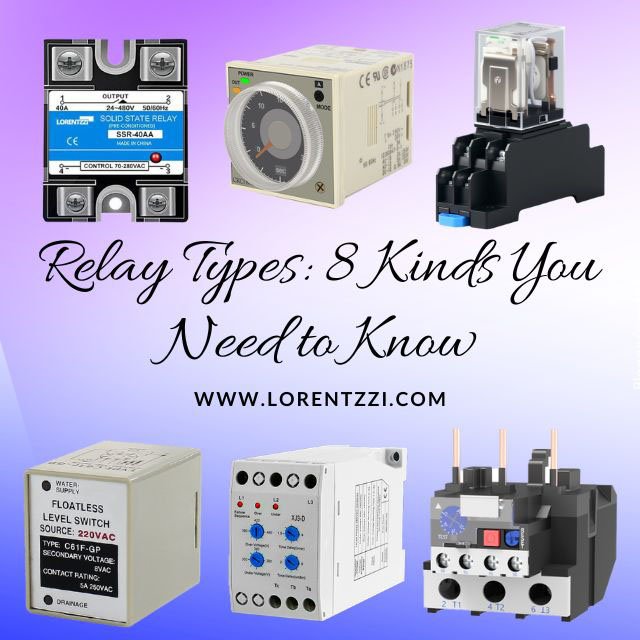
Endüstriyel kontrolde 0 ve 1 anahtar işlemleri her zaman röleler tarafından gerçekleştirilir. Peki kaç çeşit röle vardır? Bu blog yazısında, en tipik ve yaygın olarak kullanılan 8 röleyi inceleyeceğiz.
Şimdi, başlayalım!
Röle nedir?
Her bir röle tipini daha iyi anlamak için öncelikle rölenin ne olduğunu bilmemiz gerekir.
Basitçe söylemek gerekirse röle, daha küçük bir kontrol sinyali (5 VDC 20 mA gibi) ile daha büyük bir yükü (220VAC 30A ısıtma elemanı gibi) kontrol edebilen bir anahtardır. Kolay anlaşılması için basitçe elektrik kontrollü bir anahtar olarak görebilirsiniz. Röleleri kullanarak, düşük voltajlı ve yüksek voltajlı devreleri etkili bir şekilde izole edebilir ve elektrik güvenliğini büyük ölçüde artırabilirsiniz.
Elektromanyetik röle
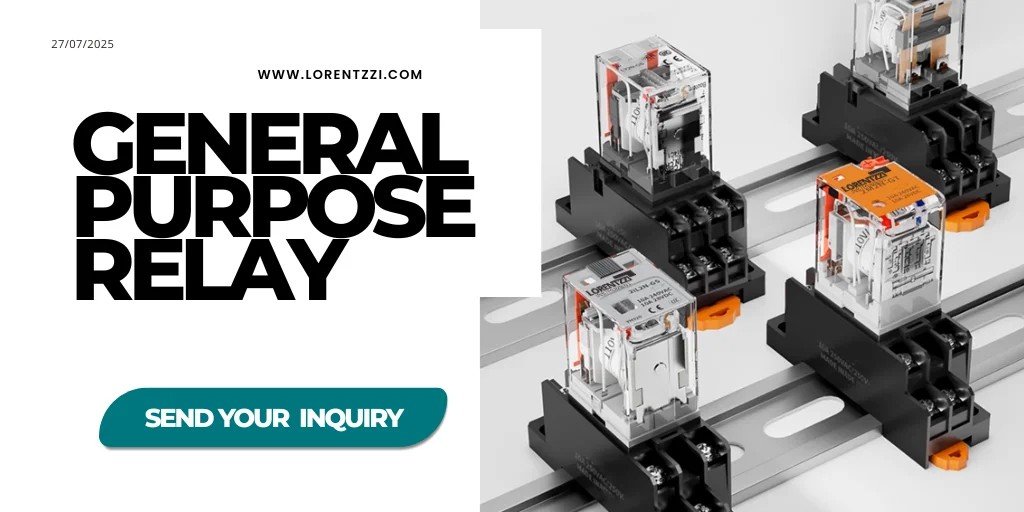
Genel amaçlı röle veya ara röle olarak da bilinen bir elektromanyetik röle, yük terminalindeki bir devrenin bağlantısını ve bağlantısını kesmeyi kontrol etmek için kontrol terminalinde bir elektromanyetik alan kullanan bir üründür.
AC kontaktörler aynı elektromanyetik prensibe göre çalışır ve yüksek güçlü yük kontrolü için rölelerle birlikte yaygın olarak kullanılır (Kontaktör ve Röle: Bilmeniz Gereken 9 Temel Fark). Örneğin, bir AC kontaktörün içindeki bobine akım verildiğinde, bu bobin ana kontakları birbirine çekerek kapanmalarını sağlayan bir elektromanyetik alan oluşturur ve böylece yük devresini kontrol ederek yükün çalışmasını sağlar.
Elektromanyetik röleler hakkında daha fazla bilgi için bu blog yazısını okuyabilirsiniz: Genel Amaçlı Röle: Nedir ve Nasıl Çalışır?
Zaman rölesi
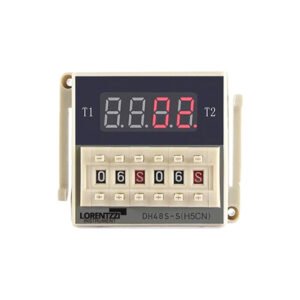
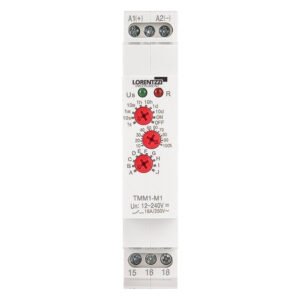
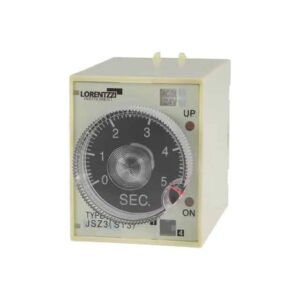
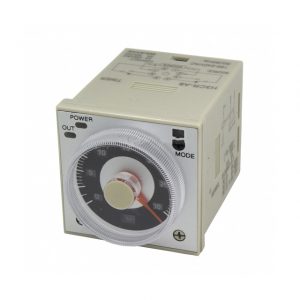
Burada tartışacağımız ikinci röle türü zaman gecikmeli röledir.
Zaman gecikmeli röleler tipik olarak yükleri zamana bağlı olarak kontrol etmek için kullanılır. Örneğin, farklı motorların çalıştırılmasını geciktirmek istiyorsanız, aşırı motor yükünün kısa bir süre içinde ana devrede elektrik çarpması stresine neden olmasını önlemek için bir zaman geciktirme rölesi kullanabilirsiniz.
Şu şekilde kullanarak farklı zaman röleleri türleri, yükü bir zaman dizisine göre kontrol edebilirsiniz; örneğin, zamanlayıcıyla yükü başlatmak, yükü döngüsel olarak açıp kapatmak, elektrik kesintisinden sonra yükün kapanmasını geciktirmek vb.
Katı hal rölesi


En yaygın kullanılan üçüncü röle tipi ise katı hal rölesi, genellikle basitçe SSR olarak adlandırılır.
Yukarıda bahsedilen iki röle türünden farklı olarak, katı hal röleleri hareketli parçaları olmayan temassız yarı iletken rölelerdir. Çoğunlukla sıcaklık kontrolü için PID sıcaklık kontrolörleri ile birlikte kullanılırlar. Elektromanyetik rölelerle karşılaştırıldığında, katı hal röleleri daha yüksek anahtarlama hızları sunar ve gürültüsüzdür, bu da onları aşağıdaki uygulamalar için ideal hale getirir PID sıcaklık kontrolörleri Sıcaklığı korumak için ısıtma elemanlarının sık sık değiştirilmesi gereken yerlerde.
Bu nedenle, katı hal röleleri sıcaklık kontrol sistemleri için özel olarak tasarlanmıştır.
Su seviyesi rölesi
Su pompanızın depo boşaldığında otomatik olarak çalışmasını ve depo dolduğunda otomatik olarak durmasını mı istiyorsunuz? Bunu bir su seviyesi rölesi kullanarak başarabilirsiniz.
Su seviye rölesi, su seviyesini tespit etmek ve bir su pompasının başlatılmasını ve durdurulmasını kontrol etmek için kullanılan bir röledir. Örneğin, bizim C61F-GP iki şamandıralı şamandırasız röle, ile su pompasının başlatılmasını ve durdurulmasını kolayca kontrol edebilirsiniz. Çalışma prensibi şudur: su seviyesi düşük olduğunda, röle kontakları kapanır, böylece AC kontaktör tarafından kontrol edilen su pompasını başlatır.
Faz koruma rölesi
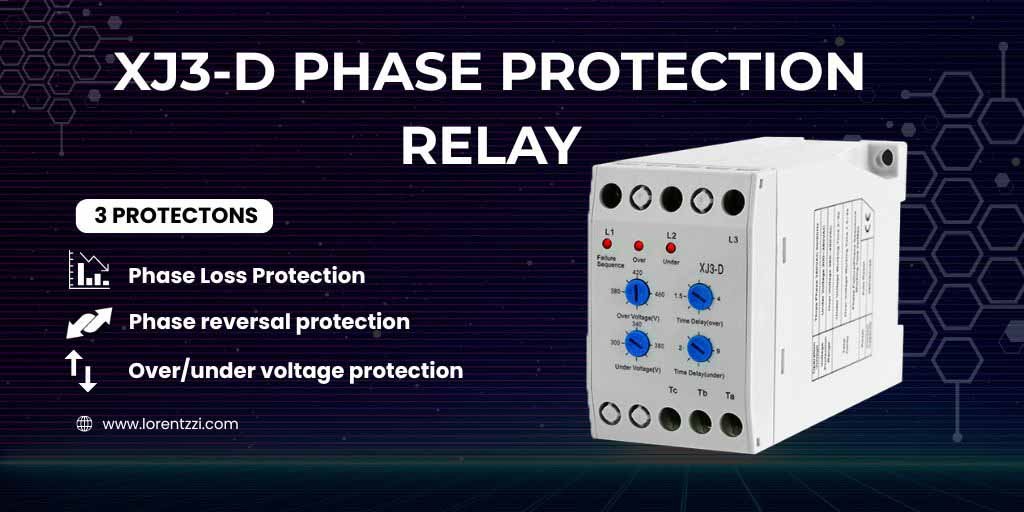
Bu tip röle, üç fazlı elektrikli ekipmanı korumak için yaygın olarak uygulanır. Faz kaybı, faz sırası hatası ve üç faz dengesizliği gibi anormal güç koşullarını izler. Herhangi bir güç hatası oluştuğunda, röle ekipmanın yanmasını ve mekanik hasarı önlemek için güç kaynağını zamanında kesecektir.
Termal aşırı yük rölesi
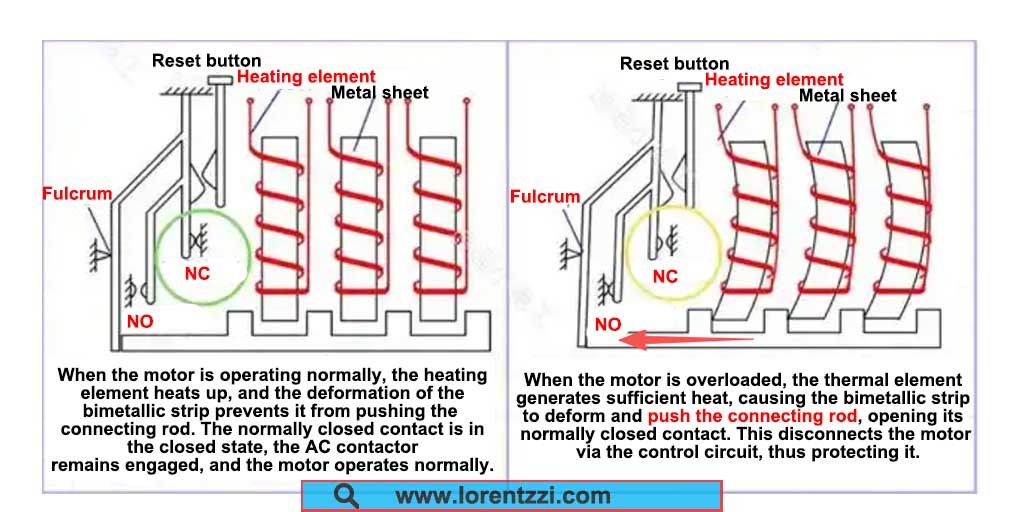
Termal aşırı yük rölesi, bir motoru uzun süreli aşırı yükten, faz kaybından/faz dengesizliğinden korumak için akımın ısıtma etkisini ve bimetalik bir şeridin bükülme prensibini kullanan düşük voltajlı bir elektrikli cihazdır. Bir termal aşırı yük rölesi, bir AC kontaktörü ile birlikte kullanılmalıdır. Ana devreyi doğrudan kesmez, bunun yerine kontaktör bobinine giden devrenin bağlantısını keser.
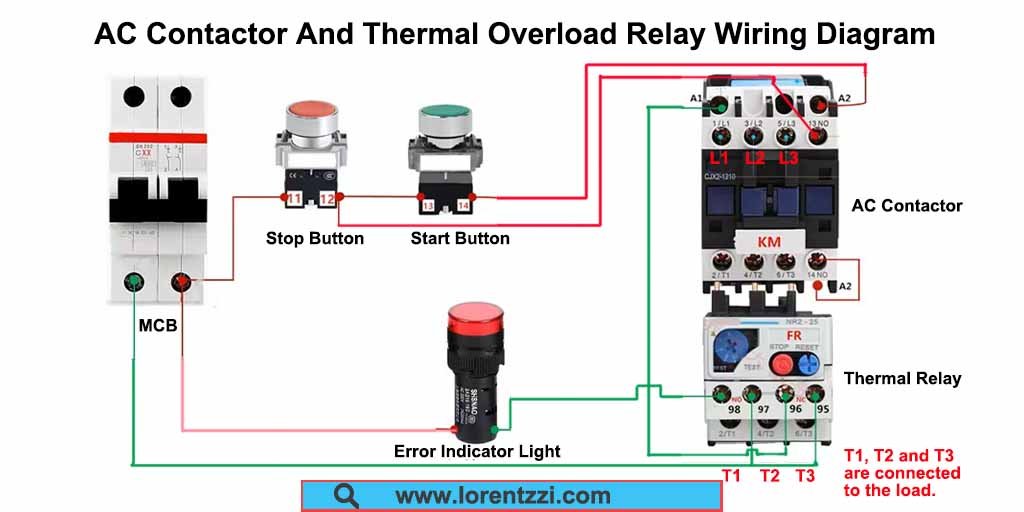
Aşağıdaki şemada bir termik aşırı yük rölesi ve bir AC kontaktörü için kablo bağlantı şeması gösterilmektedir. Motor aşırı yüklendiğinde veya bir faz kaybı yaşadığında, termik aşırı yük rölesinin normalde kapalı (NC) terminali normalde açık (NO) terminal haline gelecek ve böylece bobin güç kaynağını ve dolayısıyla yük güç kaynağını kesecektir. Bu sırada, termik aşırı yük rölesinin normalde açık (NO) terminali normalde kapalı hale gelecektir, bu nedenle bu hatayı termik aşırı yük rölesinin normalde açık (NO) terminaline bağlı gösterge ışığını kontrol ederek de tespit edebilirsiniz.
Araba marş rölesi
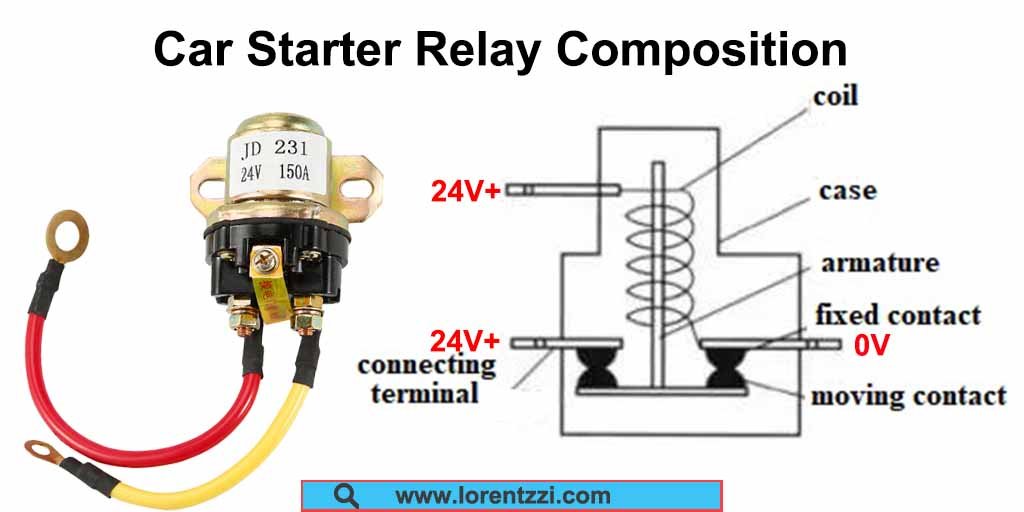
Adından da anlaşılacağı gibi, bir araba marş rölesi öncelikle araç motorunu çalıştırmak için kullanılır. Anahtar takılıp çalıştırma konumuna çevrildiğinde marş rölesine düşük bir 12VDC veya 24VDC kontrol sinyali gönderilir. Daha sonra dahili bobine enerji verilir, bu da ana devre kontaklarını kapatır ve motoru çalıştırmak için güç sağlar.
Mandallı röle
Kontrol terminallerinde kontrol sinyallerini sürdürmeden yüksek güçlü yükleri sürekli olarak enerjili tutmanız gerekiyorsa, mandallı bir röle ideal çözümdür.
Tetiklendikten sonra, bir mandallı röle sürekli güç veya giriş sinyalleri olmadan anahtarlı durumunu korur. Yalnızca ikinci bir kontrol darbesi aldığında ters duruma geçer.
Basitçe söylemek gerekirse, mandallı bir röle mandallı bir düğme gibi çalışır: çalıştırıldıktan sonra bir durumda (örneğin, devre kapalı) kalır ve yalnızca tekrar tetiklendiğinde diğer duruma (devre açık) geçer.
Sonuç
Genel olarak, en yaygın kullanılan 8 röle tipi vardır: elektromanyetik röleler, zaman röleleri, katı hal röleleri, su seviyesi röleleri, faz koruma röleleri, termal aşırı yük röleleri, araba marş röleleri ve mandallı röleler, her biri endüstriyel kontrol alanında çok önemli ve değişmez bir rol oynar.
Röle tipleri hakkında hala sorularınız varsa, e-posta yoluyla bizimle iletişime geçmekten çekinmeyin: shonxu@lorentzzi.com. Bizim ekibimiz Lorentzzi Elektrik size 24 saat içinde yanıt verecektir.