نحن نعيش في عالم مليء بالمفاتيح، حتى أجهزة الكمبيوتر والهواتف المحمولة التي نستخدمها، لأن لغة الآلة التي نستخدمها للتواصل مع أجهزة الكمبيوتر والهواتف تتكون من 0 و 1، حيث يمثل 0 إيقاف التشغيل و 1 يمثل التشغيل.
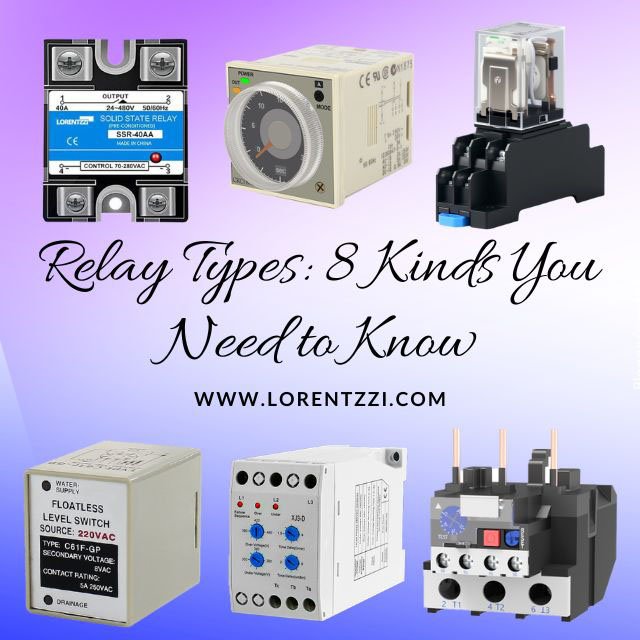
في التحكم الصناعي، يتم دائمًا تحقيق عملية التبديل 0 و1 بواسطة المرحلات. إذن كم عدد أنواع المرحلات الموجودة؟ في منشور المدونة هذا، سنستعرض 8 من المرحلات الأكثر شيوعًا والأكثر استخدامًا.
والآن، لنبدأ!
ما هو التتابع؟
لفهم كل نوع من أنواع المرحلات بشكل أفضل، نحتاج أولاً إلى معرفة ماهية المرحل.
ببساطة، المرحل هو مفتاح يمكنه التحكم في حمل أكبر (مثل عنصر تسخين 220 فولت تيار متردد 30 أمبير) بإشارة تحكم أصغر (مثل 5 فولت تيار مستمر 20 مللي أمبير). يمكنك ببساطة اعتباره مفتاح تحكم كهربائي لسهولة الفهم. وباستخدام المرحلات، يمكنك عزل دوائر الجهد المنخفض والجهد العالي بشكل فعال، مما يحسن السلامة الكهربائية بشكل كبير.
مرحل كهرومغناطيسي
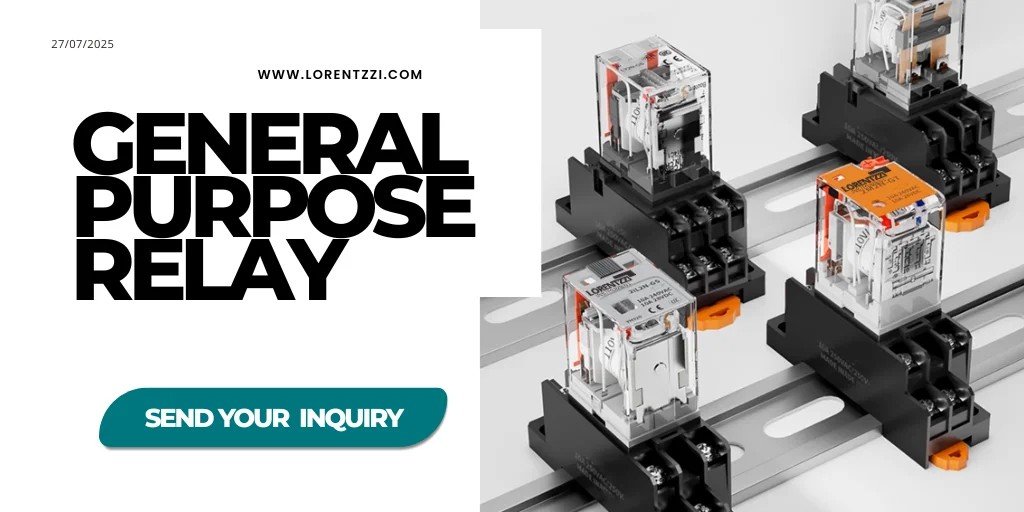
المرحل الكهرومغناطيسي، المعروف أيضاً باسم مرحل الأغراض العامة أو المرحل الوسيط، هو منتج يستخدم مجالاً كهرومغناطيسياً في طرف التحكم للتحكم في توصيل وفصل دائرة كهربائية في طرف التحميل.
ملامسات التيار المتردد تعمل وفقًا لنفس المبدأ الكهرومغناطيسي، وتُستخدم على نطاق واسع مع المرحلات للتحكم في الأحمال عالية الطاقة (الموصل الكهربائي مقابل المرحل: 9 اختلافات أساسية يجب أن تعرفها). على سبيل المثال، عند تزويد الملف الموجود داخل قاطع التيار المتردد بالطاقة، فإنه يولد مجالًا كهرومغناطيسيًّا يجذب نقاط التلامس الرئيسية لتتلامس، وبذلك يتحكم في دائرة الحمل لتشغيل الحمل.
لمزيد من المعلومات عن المرحلات الكهرومغناطيسية، يمكنك قراءة منشور المدونة هذا: مرحل الأغراض العامة: ما هو وكيف يعمل؟
تتابع الوقت
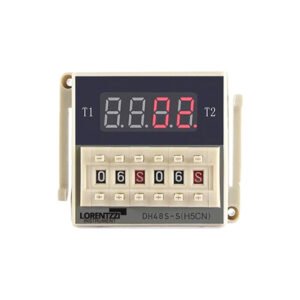
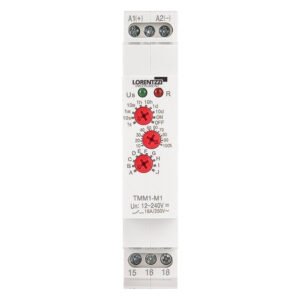
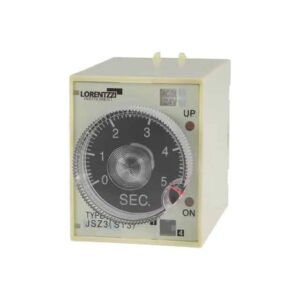
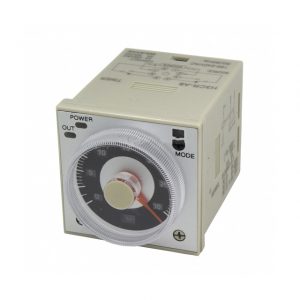
النوع الثاني من المرحلات الذي سنناقشه هنا هو مرحل التأخير الزمني.
تُستخدم مرحلات التأخير الزمني عادةً للتحكم في الأحمال بناءً على الوقت. على سبيل المثال، إذا كنت ترغب في تأخير بدء تشغيل المحركات المختلفة، يمكنك استخدام مرحل التأخير الزمني لمنع الحمل الزائد للمحرك من التسبب في إجهاد الصدمة الكهربائية للدائرة الرئيسية في فترة قصيرة.
من خلال استخدام أنواع مختلفة من مرحلات الوقت, ، يمكنك التحكم في الحمل وفقًا لتسلسل زمني، مثل تشغيل الحمل باستخدام مؤقت، وتشغيل الحمل وإيقافه بشكل دوري، وتأخير إيقاف تشغيل الحمل بعد انقطاع التيار الكهربائي، وما إلى ذلك.
مرحل الحالة الصلبة


النوع الثالث الأكثر استخدامًا من المرحلات هو النوع الثالث الأكثر استخدامًا هو مرحل الحالة الصلبة, ، غالبًا ما تسمى ببساطة SSR.
على عكس نوعي المرحلات المذكورين أعلاه، فإن مرحلات الحالة الصلبة هي مرحلات شبه موصلة بدون تلامس مع عدم وجود أجزاء متحركة. وغالبًا ما يتم استخدامها مع وحدات التحكم في درجة الحرارة PID للتحكم في درجة الحرارة. بالمقارنة مع المرحلات الكهرومغناطيسية، توفر مرحلات الحالة الصلبة سرعات تبديل أسرع ولا تصدر ضوضاء، مما يجعلها مثالية للتطبيقات في أجهزة التحكم في درجة الحرارة PID حيث يلزم التبديل المتكرر لعناصر التسخين للحفاظ على درجة الحرارة.
لذلك، تم تصميم مرحلات الحالة الصلبة خصيصًا لأنظمة التحكم في درجة الحرارة.
مرحل مستوى المياه
هل تريد أن تبدأ مضخة المياه تلقائياً عندما يكون الخزان فارغاً وتتوقف تلقائياً عندما يمتلئ الخزان؟ يمكنك تحقيق ذلك باستخدام مرحل مستوى المياه.
مرحل مستوى المياه هو مرحل يستخدم للكشف عن مستوى المياه والتحكم في بدء تشغيل مضخة المياه وإيقافها. على سبيل المثال، باستخدام مرحل C61F-GP بدون عوامة مزود بعوامتين, يمكنك التحكم بسهولة في بدء تشغيل مضخة المياه وإيقافها. مبدأ عملها هو: عندما يكون مستوى الماء منخفضًا، يتم إغلاق ملامسات المرحل، وبالتالي بدء تشغيل مضخة المياه التي يتحكم فيها موصل التيار المتردد.
مرحل حماية الطور
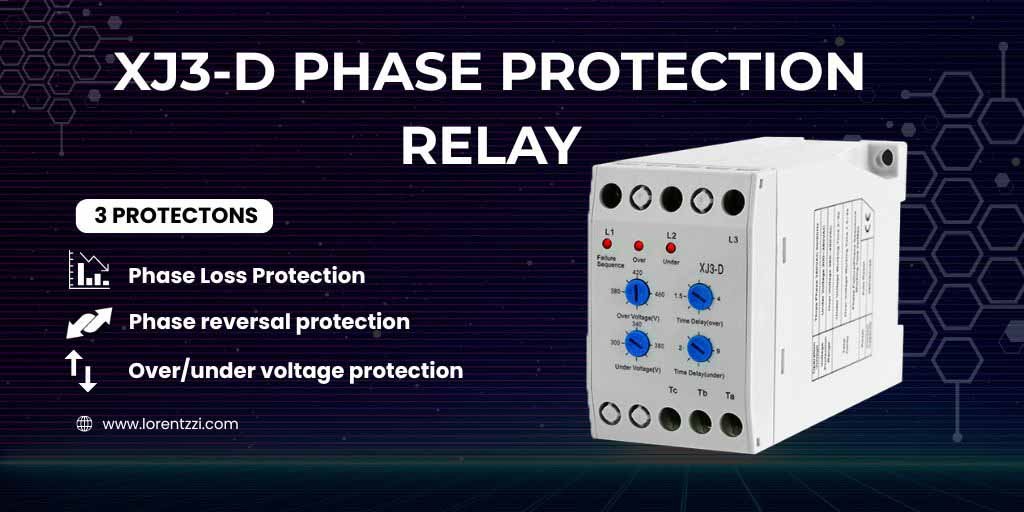
يتم تطبيق هذا النوع من المرحلات على نطاق واسع لحماية المعدات الكهربائية ثلاثية الطور. إنه يراقب ظروف الطاقة غير الطبيعية بما في ذلك فقدان الطور، وخطأ تسلسل الطور، وعدم توازن ثلاثي الأطوار. وبمجرد حدوث أي عطل في الطاقة، يقوم المرحل بقطع التيار الكهربائي في الوقت المناسب لتجنب احتراق المعدات والأضرار الميكانيكية.
مرحل الحمل الزائد الحراري
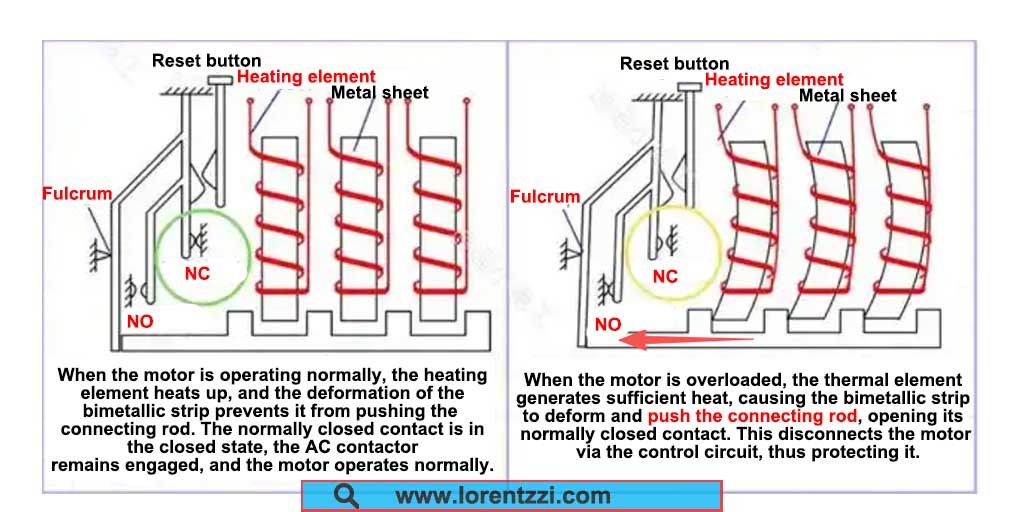
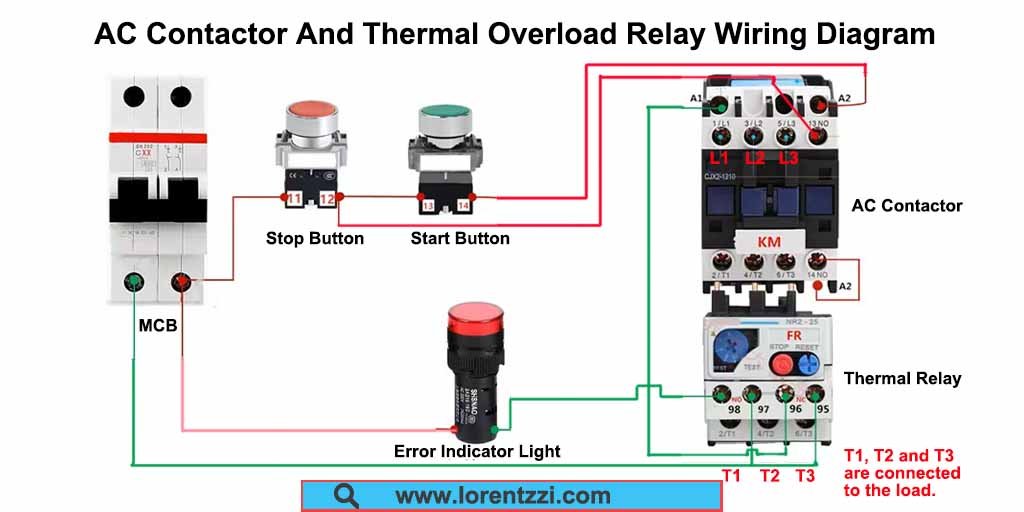
مرحل الحمل الزائد الحراري هو جهاز كهربائي منخفض الجهد يستخدم تأثير التسخين للتيار ومبدأ الانحناء لشريط ثنائي المعدن لحماية المحرك من الحمل الزائد المطول وفقدان الطور/عدم توازن الطور. يجب استخدام مرحل الحمل الزائد الحراري بالاقتران مع موصل التيار المتردد. وهو لا يقطع الدائرة الرئيسية مباشرة، بل يفصل الدائرة عن ملف الملامس.
يوضح الشكل أدناه مخطط الأسلاك لترحيل الحمل الزائد الحراري وموصل التيار المتردد. بمجرد زيادة التحميل الزائد على المحرك أو تعرض المحرك لفقدان الطور، سيصبح طرف طرف مرحل الحمل الزائد الحراري المغلق عادةً (NC) هو الطرف المفتوح عادةً (NO)، وبالتالي قطع إمداد طاقة الملف وبالتالي إمداد طاقة الحمل. في هذا الوقت، سيصبح طرف طرف (NO) المفتوح عادةً (NO) لترحيل الحمل الزائد الحراري مغلقًا عادة، لذا يمكنك أيضًا اكتشاف هذا العطل عن طريق فحص ضوء المؤشر المتصل بطرف (NO) المفتوح عادةً (NO) لترحيل الحمل الزائد الحراري.
مرحل بدء تشغيل السيارة
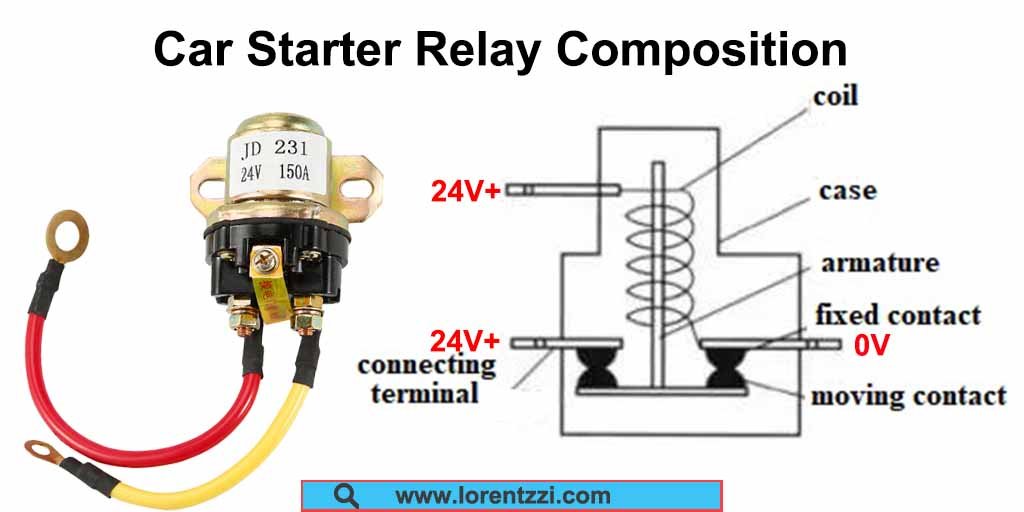
كما يوحي الاسم، يستخدم مرحل بدء تشغيل السيارة بشكل أساسي لتشغيل محرك السيارة. عندما يتم إدخال المفتاح وتحويله إلى وضع بدء التشغيل، يتم إرسال إشارة تحكم منخفضة بجهد 12 فولت تيار مستمر أو 24 فولت تيار مستمر إلى مرحل بدء التشغيل. يتم بعد ذلك تنشيط الملف الداخلي، مما يؤدي إلى إغلاق ملامسات الدائرة الرئيسية وإمداد الطاقة لتشغيل المحرك.
مرحل الإغلاق
إذا كنت بحاجة إلى الحفاظ على تنشيط الأحمال عالية الطاقة بشكل مستمر دون الحفاظ على إشارات التحكم في أطراف التحكم، فإن مرحل الإغلاق هو الحل المثالي.
وبمجرد تشغيله، يحافظ مرحل الإغلاق على حالة التبديل دون طاقة مستمرة أو إشارات دخل. ولا ينعكس إلى الحالة المعاكسة إلا عند تلقي نبضة تحكم ثانية.
ببساطة، يعمل مرحل الإغلاق مثل زر الإغلاق: يظل في حالة واحدة (على سبيل المثال، دائرة مغلقة) بعد تشغيله، ولا يتحول إلى الحالة الأخرى (دائرة مفتوحة) إلا عند تشغيله مرة أخرى.
الخاتمة
بشكل عام، هناك 8 أنواع من المرحلات الأكثر استخدامًا: المرحلات الكهرومغناطيسية، ومرحلات الوقت، ومرحلات الحالة الصلبة، ومرحلات مستوى الماء، ومرحلات حماية الطور، ومرحلات الحمل الزائد الحراري، ومرحلات بدء تشغيل السيارة، ومرحلات الإغلاق، وكل منها يلعب دورًا مهمًا للغاية وغير قابل للتغيير في مجال التحكم الصناعي.
إذا كانت لا تزال لديك أسئلة حول أنواع الترحيل، فلا تتردد في الاتصال بنا عبر البريد الإلكتروني: shonxu@lorentzzi.com. فريقنا في لورينتزي إلكتريك سيرد عليك في غضون 24 ساعة.